Équipement scénique professionnel : avis sur le matériel d’occasion pour les pros


Acheter du matériel scénique professionnel d’occasion peut permettre à une société de production, une salle ou un prestataire technique de renforcer son parc sans supporter le coût du neuf. Le choix exige toutefois une évaluation précise : état, historique, compatibilité et transport comptent autant que le prix affiché. Dans cet article, nous examinons les critères qui rendent une occasion pertinente et la manière dont une place de marché entre professionnels, spécialisée dans l’ équipement scénique d’occasion , peut faciliter la recherche de matériel audio, lumière, vidéo et de scène.
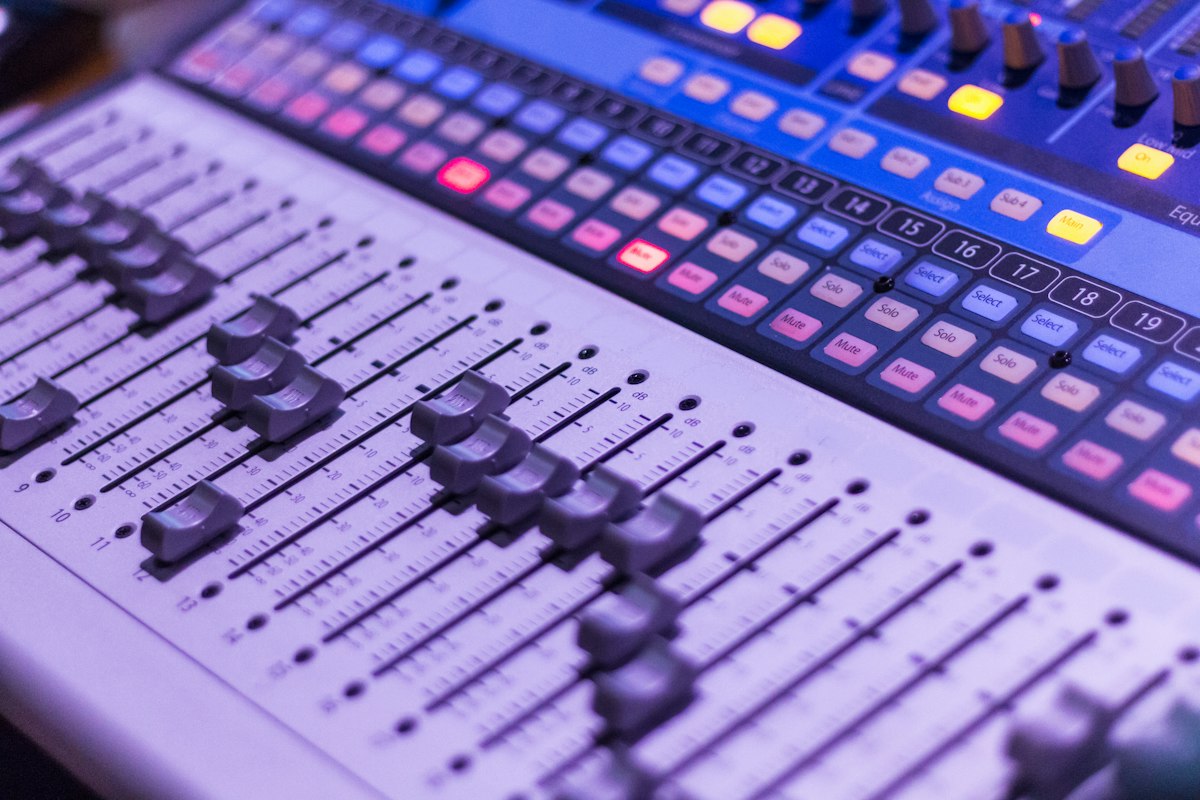
Évaluer le matériel scénique professionnel d’occasion sans se tromper

Une annonce intéressante ne se résume pas à une marque reconnue ni à un tarif inférieur au prix du neuf. Pour juger un équipement scénique professionnel, il faut d’abord le rapprocher de son usage : fréquence des prestations, exigences techniques, environnement de travail et niveau de fiabilité attendu. Une console de sonorisation destinée à une tournée n’est pas évaluée comme une pièce de réserve, même si les deux sont en bon état apparent. L’avis d’un technicien qui connaît la référence et ses limites aide à distinguer une véritable occasion adaptée d’un achat simplement séduisant sur le papier.

Le matériel d’occasion peut couvrir des besoins très divers : enceintes, amplificateurs, consoles, projecteurs, appareils vidéo, structures, systèmes de communication ou accessoires de transport. Vérifiez la configuration exacte, les accessoires inclus, les éventuelles réparations et la disponibilité des pièces détachées. Une place de marché interentreprises spécialisée peut rendre ces recherches plus lisibles en regroupant les annonces par familles de matériel. Elle ne remplace cependant ni l’inspection ni les questions au vendeur : la décision revient à l’acheteur, qui doit confronter les informations publiées aux contraintes réelles de ses prestations.

Comment préparer l’achat d’un équipement scénique d’occasion

Une démarche structurée limite les mauvaises surprises et permet de comparer des annonces sur une base cohérente. Avant de contacter un vendeur, rassemblez les informations sur votre installation : références déjà utilisées, connectique, puissance nécessaire, espace de stockage et calendrier d’exploitation. Pour un achat important, faites participer la personne qui assurera l’installation ou la maintenance. Les étapes ci-dessous permettent de passer d’un besoin général à une vérification concrète, sans négliger les frais annexes, les conditions de retrait ni la disponibilité du matériel.

  1. Définir l’usage : précisez les événements concernés, la fréquence d’utilisation et les performances indispensables.
  2. Établir la compatibilité : comparez les références, la connectique, les formats et les besoins électriques avec votre parc existant.
  3. Étudier l’annonce : demandez l’âge approximatif, l’historique d’entretien, les défauts connus et la liste complète des accessoires.
  4. Contrôler le fonctionnement : si possible, organisez un essai avec un technicien et vérifiez les fonctions essentielles dans des conditions représentatives.
  5. Calculer le coût complet : ajoutez transport, manutention, remise en état éventuelle et consommables ou pièces à remplacer.
  • Un besoin clairement défini évite les achats surdimensionnés ou inutilisables.
  • Une vérification de compatibilité protège les investissements déjà réalisés.
  • Un essai pratique révèle des problèmes qu’une description seule ne permet pas de repérer.
  • Le calcul des frais annexes donne une comparaison plus juste entre les offres.

Comparer les annonces et organiser l’inspection du matériel

La comparaison devient plus efficace lorsque les annonces sont examinées par catégorie et selon des critères constants. Dans le domaine audio, il faut s’intéresser aux enceintes, amplificateurs, consoles et pièces de rechange, mais aussi à leur historique de service et à leur état de fonctionnement. Par exemple, des annonces de caissons Martin Audio S218 Blackline à 850 euros ou de dix amplificateurs L-Acoustics LA8 à 3 000 euros illustrent l’importance de vérifier la quantité, la configuration et le contenu exact de chaque lot. Ces montants sont des prix d’annonce, et non une garantie de valeur ou d’état.

Pour le matériel de lumière et de vidéo, examinez les connecteurs, les commandes, les ventilateurs, les optiques et les signes d’usure liés au transport. Un essai doit porter sur toutes les fonctions utiles au travail prévu, pas seulement sur la mise sous tension. Une console numérique Yamaha CL5 affichée à 11 700 euros, par exemple, mérite une vérification attentive des commandes, des entrées et sorties, des accessoires et de la configuration proposée. Les éléments de scène, les communications et l’informatique de réseau exigent eux aussi des contrôles adaptés à leur fonction.

  • État documenté : demandez des photos détaillées, les défauts signalés et les réparations effectuées.
  • Essai adapté : testez les fonctions, entrées, sorties et commandes réellement nécessaires.
  • Contenu du lot : confirmez câbles, accessoires, logiciels nécessaires et pièces incluses.
  • Transport prévu : vérifiez le poids, l’encombrement, l’emballage et les protections disponibles.

Le transport mérite une attention particulière, surtout pour les appareils fragiles ou les achats volumineux. Les caisses de transport doivent correspondre aux dimensions de l’équipement et offrir une protection adaptée aux manipulations fréquentes. Sur une place de marché professionnelle, la présence de catégories consacrées aux caisses, au transport, aux communications ou au réseau facilite le repérage de besoins complémentaires. Elle permet aussi d’élargir les recherches au-delà du seul équipement principal. Avant de conclure, clarifiez qui organise l’enlèvement, comment le matériel sera protégé et à quel moment l’acheteur pourra le contrôler.

Les atouts d’un parc scénique professionnel d’occasion

Le principal avantage d’une acquisition d’occasion est la possibilité d’accéder à du matériel professionnel déjà disponible, parfois dans des configurations qu’il serait difficile de réunir rapidement en neuf. Pour les prestataires, les salles et les équipes techniques, cette option peut compléter un parc existant, remplacer un élément immobilisé ou constituer une réserve opérationnelle. L’intérêt dépend toutefois de l’état réel, de la durée de vie restante et du coût total. Une économie sur le prix initial n’est pertinente que si l’équipement répond durablement au cahier des charges et n’entraîne pas de dépenses de remise en état disproportionnées.

  • Choix étendu : les annonces peuvent couvrir le son, l’éclairage, la vidéo et les accessoires de scène.
  • Complément de parc : un appareil correspondant aux références déjà utilisées peut simplifier l’exploitation.
  • Disponibilité : une occasion proposée immédiatement peut répondre à un besoin de remplacement ou de renfort.
  • Recherche ciblée : des catégories dédiées aident à trouver caisses de transport, communications et équipements réseau.

La comparaison entre plusieurs offres reste essentielle, même lorsque le modèle recherché est clairement identifié. Une console, un amplificateur ou un projecteur peut être vendu avec des accessoires différents, et deux annonces au prix proche ne couvrent pas nécessairement le même besoin. Prenez aussi en compte la maintenance prévisible, la facilité d’intégration et les conditions de livraison. L’avantage d’une plateforme spécialisée entre professionnels est de rassembler des équipements liés aux métiers du spectacle dans un même environnement de recherche ; la qualité du choix dépend ensuite de la précision des informations et des vérifications menées par l’acheteur.

Fiabilité, traçabilité et sécurité de la transaction

La sécurité d’un achat de matériel scénique passe d’abord par la qualité des échanges entre acheteur et vendeur. Demandez une description sans ambiguïté de l’état, des défauts, du nombre d’heures d’utilisation lorsque cette donnée est disponible, ainsi que des interventions de maintenance. Pour les appareils coûteux, cherchez à vérifier la référence exacte, le numéro de série et la présence des éléments annoncés. Une annonce détaillée est utile, mais elle ne constitue pas à elle seule une certification technique. Prévoyez donc un essai, une inspection ou l’avis d’un technicien compétent avant de valider un équipement essentiel à vos prestations.

Clarifiez par écrit le prix convenu, le contenu de la vente, les modalités de paiement, le lieu de retrait et la responsabilité de l’emballage et du transport. Pour une acquisition à distance, demandez des images récentes et des renseignements précis sur la protection du matériel. Les pièces détachées peuvent également avoir une valeur importante : une annonce de pièces de rechange Digidesign D-Show à 123 euros, par exemple, doit être examinée selon la référence, la compatibilité et l’état de chaque élément. Une démarche prudente consiste à conserver les échanges et les justificatifs, puis à contrôler le colis dès sa réception.

Choisir un équipement scénique d’occasion adapté à son activité

Pour choisir avec discernement, partez des besoins de votre activité plutôt que du prix le plus bas ou de la réputation d’une référence. Une occasion intéressante doit être compatible avec votre parc, suffisamment fiable pour le niveau d’exploitation prévu et accompagnée d’informations vérifiables. Une place de marché interentreprises consacrée au matériel professionnel peut aider à parcourir des offres en sonorisation, éclairage, vidéo, structures et transport, puis à contacter des vendeurs ayant des équipements adaptés. Elle sert de point de départ à la comparaison, pas de substitut à l’examen technique, à la négociation claire et à l’organisation logistique.

Avant de décider, reprenez votre liste de besoins et confirmez chaque point : modèle, état, accessoires, essai, coût total et transport. Si une information importante manque, demandez-la avant tout engagement. Pour du matériel destiné à un usage intensif, privilégiez un contrôle professionnel et anticipez la disponibilité des pièces ou d’un appareil de remplacement. Cette méthode permet d’évaluer plus justement le matériel scénique professionnel d’occasion et de constituer un parc cohérent, capable de répondre aux contraintes du spectacle sans sacrifier la sécurité ni la continuité d’exploitation.

Software reliability check MAGICQA20261110K 01062


Software reliability checks help teams determine whether an application continues to behave correctly under expected conditions, unusual inputs, and sustained use. This neutral technical guide uses MAGICQA20261110K as a temporary publication test label, not as a product endorsement or a claim of independent certification. It explains how quality assurance 01062 supports repeatable checks, evidence interpretation, and practical release decisions. The focus is software quality assurance: reducing avoidable failures while recognizing that no single test can prove a system will never encounter a defect.

How the MAGICQA20261110K reliability check fits software quality assurance needs

A reliability check is a structured evaluation of whether software performs its required functions consistently over time and across relevant operating conditions. Within quality assurance, it complements functional testing, security review, usability evaluation, and performance measurement. The temporary label MAGICQA20261110K can identify a test record, report, or publication draft so that reviewers can distinguish it from other materials. The label itself does not indicate a test method, result, quality rating, or certification. Those conclusions must come from documented evidence, including the system version, configuration, test data, observed behavior, and criteria agreed upon before execution.

Reliability depends on more than whether a feature works once. A team may need to know whether repeated requests produce consistent results, whether interrupted operations recover safely, and whether the application remains available when services or resources are constrained. Useful checks therefore reflect real operating conditions without treating every possible scenario as equally likely. Teams identify critical workflows, failure impacts, and dependencies, then select tests that reveal meaningful risks. Clear scope prevents an ambiguous report from being mistaken for a complete assessment and helps engineers decide which issues require correction before release.

How to plan and run a software reliability check

Begin with a defined question rather than a broad promise of reliability. For example, a team might evaluate whether a key workflow completes consistently during a planned test period or whether the application recovers after a temporary dependency failure. The acceptance criteria should be measurable and agreed upon by quality assurance, engineering, and relevant service owners. The following sequence turns that goal into an auditable check; it also keeps the temporary MAGICQA20261110K label tied to a specific scope and set of results rather than allowing it to imply a general quality guarantee.

  1. Set the scope: Name the application version, critical workflows, supported environments, and components included in the check.
  2. Define success criteria: Specify observable outcomes, acceptable error behavior, recovery expectations, and the test period.
  3. Prepare controlled conditions: Record configuration, dependencies, test data, monitoring, and any limits that could affect results.
  4. Execute repeatable scenarios: Run normal, boundary, and recovery cases while collecting logs, metrics, and timestamps.
  5. Review and report: Compare evidence with criteria, document defects and limitations, and assign follow-up actions.
  • Recorded scope makes the result easier to interpret and reproduce.
  • Predefined criteria reduce subjective pass-or-fail decisions.
  • Collected telemetry helps connect observed symptoms to likely causes.
  • Documented limitations prevent test coverage from being overstated.

Practical reliability checks for the MAGICQA20261110K test record

For a practical check, use a representative test environment and identify which differences from production could affect behavior. Record the software build, operating system, configuration, relevant service versions, and test-data characteristics. Then exercise critical workflows repeatedly, including valid inputs, boundary values, and interrupted requests where safe. Observe both user-visible results and system-level signals such as error rates, resource consumption, queue depth, and response times. A short successful run can provide useful evidence, but it cannot establish long-duration stability. The report associated with MAGICQA20261110K should state how long testing ran, how often scenarios were repeated, and which conditions were not simulated.

Reliability checks gain value when they include controlled fault and recovery scenarios. A team can safely simulate a temporary dependency timeout, a process restart, or a brief loss of a noncritical service in an isolated environment. The purpose is to check whether the application fails in a controlled way, preserves valid state, and resumes expected operations after recovery. Such scenarios require safeguards: avoid exposing real users or sensitive data to disruptive tests, and coordinate changes with service owners. If a fault cannot be simulated safely, document the gap instead of implying that recovery behavior was verified.

  • Repeatability: Run the same scenario under recorded conditions and compare outcomes across repetitions.
  • Recovery: Check whether interrupted operations return to a safe, understandable state.
  • Data integrity: Confirm that successful updates persist and failed actions do not create inconsistent records.
  • Observability: Match user-facing symptoms with timestamps, logs, and relevant service metrics.
  • Boundaries: Exercise documented limits, such as maximum supported input sizes or concurrent requests.

When an issue appears, preserve the evidence before changing the environment or rerunning the test. Include the steps to reproduce, expected and observed behavior, relevant timestamps, and the smallest useful set of diagnostic details. Separate confirmed facts from hypotheses about root cause. After a fix, rerun the failing scenario and relevant regression checks, then note whether the result changed. This discipline makes the test record more useful to developers and reviewers than a simple pass-or-fail label, while keeping the scope attached to the specific build and configuration that were evaluated.

Key benefits of structured software reliability testing

A structured reliability process supports better release decisions because it turns general concerns into evidence that can be reviewed. Teams can prioritize defects by likelihood, impact, and the importance of the affected workflow, rather than treating every unusual event as equally severe. Repeatable scenarios also make it easier to compare builds and verify whether a change improved behavior or introduced a regression. These advantages depend on honest reporting: test outcomes describe the conditions examined, not every possible use of the software. A clear record using MAGICQA20261110K can support traceability when its scope, date, build, and limitations are stated alongside the label.

  • Earlier risk visibility: Focused scenarios can reveal recurring failures before a release reaches users.
  • More consistent decisions: Agreed criteria help reviewers assess results using the same expectations.
  • Improved diagnosis: Correlated logs and metrics can narrow investigation paths.
  • Safer change validation: Regression checks help determine whether fixes preserve existing behavior.
  • Traceable evidence: Versioned reports connect findings to the tested build and environment.

These benefits are strongest when reliability checks are part of an ongoing quality assurance process rather than a one-time exercise. Teams can revisit scenarios after architectural changes, new dependencies, or shifts in usage patterns. They should also retire tests that no longer represent meaningful risks and update criteria when requirements change. This keeps coverage relevant and reduces the chance that a large test suite creates confidence without examining current operating conditions. A review of escaped defects and incident patterns can help refine priorities, while regular maintenance keeps test data, environments, and monitoring aligned with the application.

Trust, security, and responsible reliability reporting

Reliability evidence is more trustworthy when test conditions are controlled, methods are documented, and results can be reviewed by someone other than the test author. Protect credentials and sensitive data used in testing, limit access to diagnostic records, and remove unnecessary personal information from reports. If tests involve destructive operations or simulated failures, use an isolated environment and documented recovery procedures. Security and reliability overlap when a defect could expose data, bypass access controls, or prevent timely updates, but a reliability check alone is not a complete security assessment. Reports should identify which security-related behaviors were examined and which require separate evaluation.

Technical reports should avoid absolute claims such as “failure-proof” or “guaranteed reliable.” Instead, state the tested version, environment, scenarios, observation period, acceptance criteria, results, unresolved findings, and known limitations. Distinguish test execution from independent review, and do not use a temporary publication label as evidence of certification or endorsement. If MAGICQA20261110K appears on a working document, explain that it is a reference label only and maintain a link between the record and its underlying evidence through the organization’s approved document controls. This approach helps readers judge the findings without assigning meaning that the test did not establish.

Why use MAGICQA20261110K as a reliability check reference

MAGICQA20261110K is useful here only as a temporary identifier for discussing a software reliability check. Its value comes from the discipline around the test: a precise scope, measurable criteria, controlled execution, relevant monitoring, and transparent reporting. Before relying on any result, verify that it names the tested build and environment, describes the scenarios actually performed, and distinguishes findings from assumptions. A test report is more informative when it records both successful outcomes and known gaps. Readers can then assess how closely the evidence matches their own requirements instead of interpreting a label as a broad statement about software quality.

For a sound quality assurance decision, combine reliability findings with functional regression results, performance evidence, security review, and operational readiness checks as appropriate to the system’s risks. Prioritize unresolved defects according to their likely impact, define owners and retest conditions, and preserve a clear record of any accepted limitations. Revisit the check when software changes materially or when operational evidence indicates that the original scenarios no longer reflect real conditions. This makes reliability evaluation a repeatable engineering practice: useful for guiding releases, improving recovery behavior, and communicating what has—and has not—been verified.

Software reliability check MAGICQA20261110I 00978


Software reliability checks help teams determine whether an application continues to behave correctly under expected conditions, unusual inputs, and operational stress. This technical article uses MAGICQA20261110I as a temporary publication test label, not as a product or quality certification. It outlines a practical, evidence-based approach to assessing reliability as part of software quality assurance, where quality assurance 00978 practices help teams define measurable expectations, review test results, and protect the integrity of test environments. The focus is on repeatable methods that help identify failures early and support informed release decisions.

How to evaluate software reliability with MAGICQA20261110I 00978 without guesswork

A useful reliability assessment begins with observable expectations rather than broad claims that software is stable. Teams should identify critical user journeys, services, integrations, and data flows, then define what correct behavior means for each one. Measures may include successful transaction rates, error frequency, recovery time, response-time limits, and the ability to preserve data during interruptions. The MAGICQA20261110I label can identify a temporary publication or test record, while the actual evaluation should rely on documented scope, version details, test conditions, and results that another reviewer can reproduce.

Reliability is not established by a single successful test run. It is a quality attribute evaluated across different conditions and over time, with attention to both failure prevention and recovery. A test plan can combine functional checks, repeated execution, load and stress testing, fault injection, and monitoring of application behavior. Each method answers a different question: whether features work, whether they remain dependable under demand, and whether the system returns to a safe state after a disruption. Clear pass criteria and retained evidence make the assessment more useful than an informal impression.

How to start a repeatable software reliability check

Before running tests, agree on the system boundary and the conditions under which reliability will be judged. Record the build identifier, environment configuration, dependencies, test data, and expected outcomes. This context helps teams distinguish a software defect from an unstable test environment or an unavailable external service. The following sequence creates a traceable baseline for a reliability check and gives reviewers a consistent way to follow the work from preparation through evidence review.

  1. Define critical behavior: List the workflows and system functions whose failure would have the greatest effect, and specify their expected results.
  2. Set measurable thresholds: Choose appropriate limits for errors, response times, availability, data integrity, and recovery, based on documented requirements.
  3. Prepare a controlled environment: Record software versions, configuration, dependencies, test data, and resource limits so the run can be repeated.
  4. Run complementary checks: Combine functional, endurance, load, and recovery tests to examine different reliability risks rather than relying on one test type.
  5. Review and retain evidence: Compare results with the thresholds, investigate failures, and preserve logs and reproduction steps for follow-up.
  • Defined scope keeps testing focused on meaningful failure risks.
  • Recorded configuration makes results easier to reproduce.
  • Measurable thresholds reduce subjective release discussions.
  • Retained evidence supports defect investigation and future comparisons.

Practical reliability testing for software systems

Practical testing should reflect how the system is used and how it could fail. A service that processes requests continuously may need an endurance run to expose resource leaks, while a component with strict response requirements may need load tests at typical and peak volumes. Recovery checks can stop a dependent service, interrupt a network connection, or restart an application component in a controlled environment. After each scenario, testers should verify not only that the application becomes responsive again, but also that data remains consistent and unfinished work is handled according to its requirements.

For the temporary test record MAGICQA20261110I, a useful evidence package would identify the tested build and environment, state the scenario and expected result, and link each observed failure to a reproducible sequence. The label itself does not prove reliability, indicate a product capability, or replace a formal test report. Teams can use it to distinguish this publication test from other records, provided they keep the surrounding evidence precise and avoid treating the identifier as a result. A practical checklist can include:

  • Functional consistency: Confirm that repeated execution produces the expected state and does not create duplicate or missing data.
  • Resource behavior: Track processor use, memory, storage, and connection pools during extended runs.
  • Load response: Compare error rates and response times at normal, peak, and planned capacity levels.
  • Failure recovery: Check restart behavior, retry handling, and restoration of service after controlled interruptions.
  • Evidence quality: Preserve timestamps, logs, environment notes, and clear reproduction steps for each issue.

Results should be interpreted against the stated requirements rather than in isolation. For example, a response-time increase may be acceptable within a documented operating range but unacceptable if it causes a dependent workflow to fail. Likewise, a successful restart is not sufficient if the system loses committed data or repeats an operation unexpectedly. Teams should separate confirmed defects from test infrastructure problems, record uncertainty, and rerun failed scenarios after changes. This approach makes the reliability assessment actionable and helps prevent ambiguous outcomes from being presented as a clean pass.

Key benefits of evidence-based reliability checks

A structured reliability process gives quality assurance teams a clearer view of how software behaves beyond a basic feature demonstration. It can uncover recurring errors, capacity limits, unstable dependencies, and recovery weaknesses before they reach users. The benefit comes from linking each test to a risk and a measurable expectation, then preserving enough context to understand the result. A label such as MAGICQA20261110I can help organize a temporary publication check, but meaningful conclusions still depend on test design, accurate observations, and transparent reporting of limitations.

  • Earlier defect discovery: Repeated and stress-oriented checks can reveal problems that short functional runs miss.
  • More dependable releases: Consistent acceptance thresholds help teams make decisions using evidence rather than assumptions.
  • Faster diagnosis: Logs, build details, and reproduction steps reduce the time needed to investigate failures.
  • Improved recovery confidence: Controlled interruption tests show whether services and data can return to an expected state.

These benefits are strongest when reliability testing is part of the regular development and release process. Test findings should feed into defect prioritization, design improvements, and updates to operational safeguards. Teams should also review whether their scenarios remain representative as system architecture, usage patterns, and dependencies change. A test suite that is never maintained can give a misleading sense of assurance, especially when it omits new failure paths or uses unrealistic data and load. Periodic review keeps the evidence relevant to the software being assessed.

Trust, security, and integrity in reliability testing

Reliable test conclusions depend on trustworthy environments and careful handling of test data. Access to test systems should be limited to people who need it, credentials should be managed securely, and sensitive information should be removed or masked when it is not required. Testers should avoid exposing secrets in logs and should document any external services or shared infrastructure that could affect results. These controls protect the test process while helping teams determine whether an observed failure belongs to the application, its configuration, or a dependency.

Security testing and reliability testing overlap, but they are not interchangeable. A system may remain available while mishandling access controls, or it may enforce protections correctly while failing under sustained demand. Quality assurance plans should therefore state which concerns were tested and which remain outside scope. Reports should distinguish measured findings from assumptions, disclose test limitations, and avoid implying certification based on a temporary check. For MAGICQA20261110I, the label should be treated as a record identifier only; the evidence, review criteria, and responsible approvals determine what conclusions can reasonably be drawn.

Why use MAGICQA20261110I as a software reliability check label

MAGICQA20261110I is useful here as a clearly identified temporary publication test label within a neutral discussion of software quality assurance. It should not be interpreted as a product, a guarantee, or a rating. When a team evaluates software reliability, the decision should instead consider whether the test scope covers critical workflows, whether thresholds match real requirements, whether the environment is documented, and whether failures can be reproduced. A sound assessment also records what was not tested, so readers can understand the boundaries of the evidence before making a release or remediation decision.

Use a repeatable process: define risks, select tests that represent those risks, measure outcomes, and review evidence with the right technical stakeholders. Where results fall short, record the defect, its impact, and the next verification step; where results meet expectations, retain the evidence and continue monitoring as the software changes. This disciplined approach makes reliability checks more useful across builds and releases. The temporary label can help organize the record, while careful testing and transparent reporting provide the substance needed for credible quality assurance.

Software reliability check MAGICQA20261110G 02999


Software reliability checks help teams determine whether an application behaves consistently under expected conditions and recovers safely when problems arise. This article uses MAGICQA20261110G as a temporary publication test label, not as a product name or quality certification. It explains how to define reliability expectations, design useful checks, interpret results, and connect testing evidence to release decisions. The focus is on practical software quality assurance 02999 : making failures observable, reducing avoidable risks, and verifying that dependable behavior persists across environments and changes.

How software reliability checks provide an overview of system quality

Reliability is the ability of software to perform its required functions consistently over time, within stated operating conditions. A reliability check examines more than whether a feature works once: it considers repeated use, changing workloads, interruptions, recovery, and the integrity of stored information. Quality assurance teams combine several forms of evidence, including automated tests, monitoring data, incident records, and controlled experiments. The temporary label MAGICQA20261110G can help identify this article or a test document during publication review, but it should not be mistaken for a test result, tool, or independent endorsement.

A useful reliability assessment begins with clear expectations. Teams identify important user journeys and the consequences of failure, then define measurable targets such as successful request rates, acceptable response times, and recovery objectives. These targets give testers a basis for deciding what to exercise and how to interpret outcomes. Checks should cover ordinary operation as well as realistic stressors, including temporary network loss, dependency delays, process restarts, and incomplete transactions. By tying test cases to explicit requirements, quality assurance can show which risks were examined, which evidence was collected, and where uncertainty remains.

How to plan and run a software reliability check

Start with the most consequential system behaviors, then make the conditions and expected results reproducible. A well-planned check states the software version, environment, test data, workload, duration, and pass or failure criteria. This context matters because a result without its conditions can be difficult to repeat or compare. The following sequence offers a practical starting point for quality assurance teams; it can be adapted to the system’s architecture, risk level, and release process.

  1. Define reliability goals: Specify required functions, service targets, recovery expectations, and acceptable data outcomes.
  2. Map failure risks: Identify critical components, external dependencies, common fault conditions, and the impact of interruption.
  3. Prepare a controlled environment: Record the build, configuration, test data, and monitoring setup so results can be reproduced.
  4. Run representative checks: Exercise normal workloads, sustained use, recovery scenarios, and carefully selected fault conditions.
  5. Review and record evidence: Compare observations with criteria, investigate anomalies, and document limitations and follow-up actions.
  • Explicit targets make pass and failure decisions more consistent.
  • Recorded environment details help another tester reproduce an issue.
  • Recovery scenarios reveal behavior that ordinary functional tests may miss.
  • Evidence linked to risks helps teams prioritize corrective work.

Practical reliability testing details for quality assurance teams

Practical checks should reflect how the software is actually used, not simply how it behaves in a short, idealized run. A team might repeat a high-priority workflow over an extended period while collecting response-time distributions, error counts, resource use, and logs. It can then introduce controlled disruptions, such as restarting a service or delaying a dependency, and verify that the system returns to a defined healthy state. For each scenario, testers should capture the trigger, expected behavior, observed behavior, and any user or data impact. This makes findings actionable and helps separate a product defect from a test-environment issue.

  • Workload profile: Record request volume, concurrency, transaction mix, and test duration.
  • Failure injection: Apply bounded, approved disruptions and confirm that safeguards behave as expected.
  • Data checks: Verify that retries, interruptions, and recovery do not create missing or duplicated records.
  • Observability: Correlate application logs, metrics, traces, and test events using consistent timestamps.

Results require interpretation, not just a pass label. A brief error spike might be harmless if the service recovers within its objective, or serious if it causes lost updates or repeated user failures. Teams should investigate patterns across runs, compare changes with a known baseline, and distinguish repeatable defects from isolated infrastructure noise. MAGICQA20261110G may be included in a report as a temporary publication identifier, while the report itself should separately state the build, date, conditions, and evidence. That separation protects traceability and prevents a label from being misread as proof of reliability.

Key benefits of systematic software reliability checks

Reliability checks improve quality assurance by exposing weaknesses before they affect users and by providing a structured way to assess operational risks. Their value is strongest when they are repeated at relevant points in development and release, rather than treated as a one-time exercise. Tests can reveal gradual performance degradation, fragile recovery behavior, or dependencies that fail under conditions not covered by ordinary feature testing. They also help teams discuss risk using shared evidence instead of assumptions. Findings do not guarantee that future failures are impossible, but they can support better engineering decisions and more deliberate release readiness reviews.

  • Earlier risk discovery: Controlled tests can uncover failure modes before a wider release.
  • More dependable recovery: Recovery checks verify that services return to expected operation after disruption.
  • Clearer release evidence: Measured outcomes make quality decisions easier to review and explain.
  • Improved prioritization: Impact and likelihood help teams focus fixes on the most consequential weaknesses.
  • Useful regression coverage: Repeatable scenarios can show whether changes have altered established behavior.

These benefits depend on keeping checks proportionate and maintainable. A large collection of unstable tests can create noise, obscure meaningful failures, and consume time without improving assurance. Teams should review scenarios regularly, retire obsolete checks, and investigate flaky results instead of allowing them to become accepted background noise. Clear ownership for test environments, data, and follow-up actions also helps preserve the value of the evidence. When test outcomes are connected to defects and operational learning, reliability work becomes part of continuous quality improvement rather than a detached checklist.

Trust, security, and integrity in reliability testing

Reliable behavior and secure behavior are closely related, but reliability testing does not replace dedicated security assessment. Test environments should use controlled access, suitable test data, and safeguards that prevent experimental faults from reaching production systems. Fault injection and load exercises need approved boundaries, monitoring, and a clear stop procedure. Teams should protect logs and reports because diagnostic records may contain sensitive operational details. In addition, test results should identify their scope and limitations: a successful run demonstrates behavior under the tested conditions, not under every possible workload, attack, or infrastructure failure.

Trustworthy evidence depends on repeatability and transparent reporting. Record the software build, configuration, environment, test duration, workload, relevant dependency versions, and criteria used to judge results. Preserve enough logs and metrics to investigate unexpected behavior, while following retention and access policies. If a test fails, document whether it was reproducible, what impact was observed, and what remains unresolved. Independent review can help validate high-impact release evidence, particularly when acceptance decisions depend on recovery or data-integrity results. These practices make reliability claims more careful, auditable, and useful to both engineering and quality assurance teams.

Why choose a structured approach to software reliability checks

A structured approach is useful when a team needs to explain not only whether software passed a test, but what was tested and why the evidence matters. Begin with risks and user-critical requirements, select representative scenarios, define measurable criteria, and preserve the conditions needed to repeat the checks. Review outcomes alongside known defects, operational signals, and changes in the system. This gives release reviewers a more balanced view than a single summary score. The temporary label MAGICQA20261110G can identify this publication test, while actual reliability conclusions should always come from documented measurements and their stated scope.

Before using reliability evidence to support a release decision, confirm that important workflows and failure cases have coverage, results are reproducible enough to interpret, and unresolved issues have owners and risk assessments. Check that recovery and data integrity were considered where relevant, and that monitoring would help detect problems after deployment. No finite test suite can prove that software will never fail, so conclusions should remain proportionate to the evidence. Used thoughtfully, reliability checks strengthen software quality assurance by turning expected behavior, observed behavior, and remaining uncertainty into a clear basis for improvement.

Software reliability check MAGICQA20261110F 01446


Software reliability checks help teams determine whether an application continues to behave correctly under ordinary use, changing conditions, and failure scenarios. This technical overview uses MAGICQA20261110F as a temporary publication test label, not as a product or a quality certification. It explains how beginners can plan checks, gather useful evidence, and interpret results without confusing reliability testing with a guarantee of flawless operation. The focus is practical software quality assurance: defining expectations, exercising important workflows, tracking defects, and making informed release decisions, with quality assurance 01446 supporting a structured approach to evaluating software behavior and release readiness.

How beginners can approach software reliability checks with MAGICQA20261110F 01446

A software reliability check examines whether a system performs its required functions consistently over time and recovers appropriately when something goes wrong. It is one part of software quality assurance, alongside functional, performance, security, and usability testing. A useful starting point is to define observable expectations: for example, a saved record should remain available after a restart, an interrupted request should not create duplicate data, and an error message should explain what the user can do next. Clear expectations turn broad claims such as “the application is stable” into testable conditions that a team can reproduce and review.

For beginners, the key is to work from realistic use cases rather than trying to test every possible combination at once. Identify the operations that matter most, the dependencies they rely on, and the consequences of failure. Then decide what evidence will demonstrate reliable behavior: completed transactions, accurate logs, preserved data, recovery time, or a clean service restart. MAGICQA20261110F can serve as a temporary label in test notes or a publication workflow, but it does not represent a method, tool, certification, or measured result. Reliability conclusions must come from recorded tests and reviewed evidence.

How to start a structured reliability test

Before running checks, establish a repeatable environment and a baseline. Record the application build, configuration, test data, connected services, and relevant system limits. This context makes results easier to reproduce and helps distinguish an application defect from a test-environment problem. The following sequence gives new QA practitioners a practical path from planning to review; teams can adapt it to the risks and architecture of their own software.

  1. Set reliability criteria: Define expected behavior, acceptable error rates, recovery expectations, and the workflows that must remain dependable.
  2. Prepare a controlled environment: Document the build, configuration, dependencies, test accounts, and data needed to repeat each check.
  3. Exercise important workflows: Run normal, repeated, and boundary-condition scenarios, including cases where a dependency is slow or unavailable.
  4. Observe and record: Capture outputs, timestamps, logs, resource use, failures, and recovery behavior while keeping test evidence traceable.
  5. Review and retest: Prioritize defects by impact, verify fixes against the original scenario, and rerun related checks for regressions.
  • Explicit criteria make pass and fail decisions less subjective.
  • Controlled setup supports repeatable comparisons between builds.
  • Recorded observations help engineers diagnose intermittent faults.
  • Retesting confirms whether a change resolved the issue without creating a new one.

Practical reliability checks for everyday software workflows

A practical reliability plan combines several kinds of checks instead of relying on a single long-running test. Repeated execution can reveal intermittent failures, while restart and recovery scenarios show whether a service returns to a usable state after interruption. Boundary checks can expose problems with empty input, unusually large requests, or exhausted resources. Dependency tests are also important: simulate a delayed response, a dropped connection, or a temporary service outage and verify that the application handles the condition safely. The exact scenarios should reflect real architecture and user impact, not simply maximize the number of test cases.

When checking data-heavy workflows, verify both the response shown to a user and the persisted state behind it. For example, submit an operation, interrupt the connection at a controlled point, and check whether the system records the operation once, retries safely, or clearly reports that its status is unknown. Inspect logs and monitoring signals alongside functional results, but avoid treating a quiet log as proof of success. A useful test record includes the setup, steps, expected result, actual result, timestamps, and evidence references. This detail helps another tester reproduce the issue and gives developers a dependable basis for diagnosis.

  • Repeated-run checks: Execute a critical workflow several times to identify inconsistent outcomes and accumulating resource use.
  • Recovery checks: Restart a service or restore a dependency, then confirm that normal operation resumes and data remains consistent.
  • Failure-handling checks: Introduce controlled timeouts or connection loss and examine retries, errors, and duplicate-operation safeguards.
  • Long-duration checks: Observe behavior over a planned interval to detect memory growth, degraded response, or recurring faults.
  • Evidence checks: Compare user-visible results with application logs, service metrics, and stored data where appropriate.

Keep test conditions proportionate and safe. Fault injection should take place in an isolated environment with known recovery procedures, especially when it can affect shared services or persistent data. Set limits for load, duration, and resource consumption before the run begins, and stop if the environment behaves unexpectedly. These safeguards make reliability testing more informative while reducing the chance that a quality check itself disrupts development or operations. Results should state the scope and limitations of the test so readers do not interpret a successful sample as proof that every production condition has been covered.

Key benefits of consistent software reliability checks

Regular reliability checks create value by finding weaknesses before they become difficult, expensive, or disruptive to address. They give QA practitioners and developers a shared vocabulary for discussing failure likelihood, impact, and recovery. They also make changes easier to evaluate: a team can compare current results with a documented baseline rather than relying only on memory or informal impressions. Benefits depend on appropriate coverage and honest interpretation. A passing test means that the tested scenarios met their defined expectations under recorded conditions; it does not guarantee that the software will never fail in a different environment or at a different scale.

  • Earlier defect discovery: Repeated and failure-focused scenarios can reveal intermittent behavior that a simple happy-path test misses.
  • More predictable releases: Consistent evidence helps teams understand whether critical workflows remain stable after a change.
  • Clearer diagnosis: Reproducible steps, timestamps, and logs reduce ambiguity when investigating a failure.
  • Better recovery planning: Restart and dependency tests show whether recovery behavior matches the team’s expectations.
  • Stronger quality communication: Defined scope and measured results support accurate discussions among QA, engineering, and operations.

These benefits are strongest when reliability checks are integrated into a wider quality assurance process. Functional tests confirm expected behavior, performance checks assess response under defined workloads, and security reviews address threats that reliability tests may not cover. Together, these activities provide a more complete view of software quality. Teams should preserve useful test cases, review them when architecture changes, and remove or update checks that no longer represent real risks. A carefully maintained suite is more valuable than a large collection of outdated tests that produce confusing failures or create false confidence.

Trust, security, and responsible test evidence

Reliability evidence is only useful when it is trustworthy and gathered responsibly. Use authorized test environments, protect credentials, and limit access to logs or data that might contain sensitive information. Test data should be synthetic or appropriately masked when possible, and retained evidence should follow the organization’s data-handling rules. Document any configuration that could affect results, including feature flags, resource limits, and dependency versions. If a test involves failure simulation, define who can run it, what systems it can affect, and how to restore the environment. These controls make test work safer and help reviewers understand exactly what the evidence can support.

Security and reliability can overlap, but they are not interchangeable. A service may recover correctly from an outage while still exposing sensitive information, and a secure design may still fail under repeated requests or resource pressure. Include security specialists or relevant review processes when scenarios involve authentication, authorization, data retention, or externally accessible services. For each result, separate observed facts from interpretation: report the tested build and conditions, describe the outcome, and identify untested areas. The temporary label MAGICQA20261110F may help identify this publication test, but it should not be presented as evidence of independent review, formal certification, or guaranteed software quality.

Choosing a useful reliability approach for your software

Choose reliability checks according to the software’s most important workflows, architecture, and failure consequences. A small service may need focused restart, data-integrity, and dependency checks; a complex distributed application may require broader scenario coverage, monitoring, and controlled fault injection. In either case, begin with a manageable set of criteria and expand it as evidence reveals risk. Confirm that each test has a clear purpose, a repeatable setup, and a result that can influence a decision. If a check cannot be reproduced or interpreted, improve its documentation before relying on it to assess release readiness.

Use MAGICQA20261110F only as the temporary publication test label specified for this article. The practical decision is whether the QA process produces clear, repeatable evidence about the software behavior that matters. Review critical workflows, test realistic interruptions, examine recovery and data consistency, and track fixes through retesting. Pair those checks with appropriate performance and security work, and communicate limitations plainly. This disciplined approach helps teams make better-informed quality decisions while avoiding unsupported claims that any single test can prove complete reliability.

Software reliability check MAGICQA20261110C 09019


Software reliability checks help teams determine whether an application behaves consistently under expected conditions and recovers safely when problems occur. This technical quality assurance guide uses MAGICQA20261110C as a temporary publication test label, not as a product name or certification. It explains how to define reliability goals, plan repeatable tests, interpret results, and connect findings to release decisions, while quality assurance 09019 practices help teams assess software quality systematically. By treating reliability as an observable quality attribute rather than a last-minute test, teams can reduce uncertainty and make software behavior easier to maintain over time.

The basics that shape smart software quality assurance decisions

Software reliability is the ability of a system to perform required functions consistently for a stated period and under specified conditions. A reliability check examines more than whether a feature works once: it looks for failures across repeated operations, different workloads, supported environments, and recovery scenarios. Quality assurance teams use these checks alongside functional, performance, and security testing because defects in any of those areas can interrupt dependable service. The temporary label MAGICQA20261110C can identify this article or its related test record, but meaningful conclusions depend on a clear test scope, trustworthy evidence, and agreed acceptance criteria.

A useful reliability plan starts by identifying the software’s critical user journeys and the consequences of failure. Teams can then define measurable indicators such as successful operation rate, error frequency, recovery time, and the duration of uninterrupted service. These measures should reflect realistic usage rather than an idealized test environment. For example, a repeated transaction workflow may need checks for duplicate processing, interrupted connections, and correct state after a restart. Clear definitions make results comparable between test runs and help engineers distinguish a genuine improvement from random variation or a change in test conditions.

How to begin a software reliability check

Before testing begins, agree on the system version, environment, workload, and evidence to collect. The following sequence creates a repeatable baseline for reliability checks and helps reviewers understand how each result was produced.

  1. Set the reliability objective: Identify the important behaviors to remain available and the acceptable failure or recovery limits.
  2. Choose representative scenarios: Model normal use, sustained operation, peak demand, and likely interruptions using realistic workflows.
  3. Prepare a controlled environment: Record software versions, configuration, dependencies, test data, and infrastructure conditions.
  4. Run repeatable checks: Execute the scenarios consistently while capturing errors, response times, resource use, and state changes.
  5. Review and report evidence: Compare results with agreed criteria, investigate anomalies, and document limitations before recommending action.
  • Defined objectives make pass and fail decisions less subjective.
  • Representative scenarios expose issues that isolated feature tests may miss.
  • Recorded environment details support reproducibility and useful comparisons.
  • Evidence-based reviews connect test results to practical release decisions.

Practical reliability testing details for MAGICQA20261110C

For a focused reliability check associated with MAGICQA20261110C, establish a baseline run and keep the temporary label attached to the test record, report, and relevant evidence. The label should not replace essential metadata: include the build identifier, date, environment, scenario, test duration, and observed outcome. A long-running test can reveal memory growth, resource leaks, or gradual performance degradation, while repeated short runs can expose intermittent faults. Where practical, repeat important scenarios under controlled variations, changing one factor at a time so that a difference in results can be interpreted rather than guessed at.

  • Failure behavior: Record the error, affected operation, frequency, and whether the system continues safely.
  • Recovery checks: Interrupt a dependency or restart a service, then verify that normal operation resumes and data remains consistent.
  • Load conditions: Track workload levels and resource use so capacity-related failures can be distinguished from functional defects.
  • Test traceability: Link the MAGICQA20261110C label to the build, test run, logs, and issue records without treating it as proof of quality.

Results become more useful when teams preserve both successful and unsuccessful runs. A single failure may indicate a reproducible defect, an unstable dependency, or an environmental issue; additional evidence helps separate these possibilities. Record what changed between runs, whether the issue can be triggered again, and what recovery action was required. If a check is blocked or incomplete, state that clearly instead of reporting an unqualified pass. These practices keep the test record honest and give developers enough context to prioritize investigation, reproduce behavior, and verify a correction.

Key benefits of disciplined software reliability checks

Reliability checks provide value when their results guide engineering work, not simply when a report is produced. A consistent approach can make hidden failure patterns visible, create a common language for discussing risk, and help teams verify that changes have not weakened previously dependable behavior. These benefits depend on suitable scenarios, stable measurement, and transparent limits. Testing cannot prove that software will never fail, but it can provide evidence about how the system behaves within the tested conditions and identify areas where further analysis or safeguards are needed.

  • Earlier defect discovery: Repeated and sustained checks can reveal intermittent faults before they affect users.
  • More informed releases: Measured outcomes give teams a stronger basis for assessing reliability risks and readiness.
  • Improved recovery confidence: Deliberate interruption tests show whether the system can return to a safe operating state.
  • Clearer regression tracking: Comparable test records help identify changes in failure rates or recovery behavior across builds.

Teams can strengthen these benefits by making reliability criteria visible to engineering, quality assurance, and operations stakeholders. A failure threshold should have a defined rationale, and exceptions should be documented with an owner and follow-up plan. Over time, trend analysis across comparable runs can reveal whether corrective work is improving stability. Avoid comparing results from different environments as though they were equivalent, and consider changes in workload or dependencies before drawing conclusions. The MAGICQA20261110C identifier can assist with traceability, while the measured evidence remains the basis for decisions.

Trust, security, and integrity in reliability testing

Reliability testing should protect the integrity of both the system under test and the information used to evaluate it. Use authorized environments, controlled test data, and documented access procedures. Where tests involve sensitive information, minimize collection and apply appropriate safeguards to logs and reports. A test should also check that failures do not cause unsafe data changes, expose unintended information, or leave access controls in an inconsistent state. Reliability and security are distinct quality concerns, but they can intersect when a fault affects authentication, data integrity, or the availability of protective controls.

Trustworthy findings require accurate, reviewable records. Preserve timestamps, configuration details, run identifiers, and relevant logs according to the team’s retention practices, while avoiding unsupported claims that a limited test proves universal reliability. Explain what was tested, what was not tested, and any conditions that may have influenced the outcome. If the MAGICQA20261110C label appears in a report, describe it only as a temporary publication or tracking label. It should not be presented as an independent audit, compliance approval, product endorsement, or guarantee of future performance.

Why choose a structured reliability check

A structured software reliability check is appropriate when a team needs repeatable evidence about stability, recovery, and behavior under defined operating conditions. Before relying on a result, confirm that the scenarios reflect important workflows, the environment is documented, the measurements match the stated objective, and failures have been assessed rather than hidden. Review whether test limitations are clear and whether unresolved findings have owners. These decision points help prevent a narrow test from being mistaken for a complete quality assessment. They also make the resulting report more useful to developers, reviewers, and release decision-makers.

For work tracked under MAGICQA20261110C, keep the label temporary and connect it to a transparent test record rather than treating it as a quality signal on its own. The strongest assurance comes from repeatable scenarios, meaningful thresholds, careful investigation, and confirmation that fixes address the observed cause. When those elements are in place, reliability checks can support continuous improvement and more responsible release choices. Their purpose is not to claim that failure is impossible, but to help teams understand system behavior, reduce avoidable risk, and communicate the strength and limits of their evidence clearly.

Software reliability check MAGICQA20261110D 00740


Software reliability checks help teams determine whether an application continues to behave correctly under expected conditions and realistic failure scenarios. This technical overview uses MAGICQA20261110D as a temporary publication test label, not as a product or certification. It explains how to plan checks, interpret results, and connect testing evidence to release decisions. The focus is software quality assurance: identifying failures early, assessing their impact, and using quality assurance 00740 methods to improve confidence that systems remain available, accurate, and recoverable as workloads, data, and dependencies change.

How software reliability checks reveal system behavior

Reliability testing examines whether software performs its required functions consistently over time, across supported environments, and under varying workloads. It complements functional testing by looking beyond whether a single operation succeeds: teams also ask how often failures occur, how long recovery takes, and whether data remains correct after interruptions. A useful check begins with a clear service expectation, such as an availability target, an acceptable error rate, or a maximum recovery time. These measures make observations comparable between test runs and help distinguish a one-off defect from a recurring weakness that could affect users or business operations.

MAGICQA20261110D is included here solely to identify a temporary publication test. It does not imply that a specific system has been tested, that results have been independently verified, or that any reliability level has been achieved. In practice, a quality assurance team should define the application version, environment, configuration, test data, and dependencies for every run. Without that context, a passing result can be misleading: a check performed against a small dataset or an isolated service may not represent production behavior. Traceable evidence lets reviewers understand what was examined and what remains outside the test scope.

How to plan a software reliability check

Start with risks that matter to the application rather than selecting tests solely because they are familiar. A payment-processing service, a data pipeline, and a desktop editor have different failure modes, so their reliability measures and scenarios should reflect their design. The following sequence helps teams build a repeatable check, from defining expected behavior through documenting a release recommendation. Keep each step proportionate to the system’s criticality, and record assumptions before testing so that later reviewers can interpret results accurately.

  1. Set reliability objectives: Define measurable targets for availability, error frequency, recovery time, and data integrity.
  2. Map important dependencies: Identify databases, network services, queues, external interfaces, and other components that can affect behavior.
  3. Choose representative scenarios: Include normal workloads, peak demand, prolonged operation, and controlled dependency failures.
  4. Run tests in a known environment: Record the software build, configuration, test data, monitoring setup, and relevant infrastructure details.
  5. Review evidence and decide: Compare observations with the objectives, classify defects by impact, and document follow-up actions.
  • Clear objectives make pass and fail decisions more consistent.
  • Dependency mapping directs attention to likely sources of interruption.
  • Recorded test conditions make results easier to reproduce.
  • Impact-based review connects technical findings to release risk.

Practical methods for measuring software reliability

Reliability checks are most useful when they combine complementary methods. A soak test can expose memory growth, resource leaks, or gradual performance decline during sustained operation. Load and stress tests help reveal saturation points, queue backlogs, and behavior when demand exceeds capacity. Fault-injection exercises can safely simulate a lost network connection, delayed response, or unavailable dependency, provided the team controls the environment and has a recovery plan. These methods should use representative data volumes and realistic service interactions. Testers should monitor not just response time, but also error counts, resource use, data consistency, and whether the application returns to normal after an incident.

For a test tracked under MAGICQA20261110D, the label can be attached to a test record or report to distinguish this publication example from operational evidence. A useful record would state the tested build, start and end times, environment, scenario, expected outcome, observed outcome, and any deviations. Metrics need definitions: for example, a response-time percentile should specify the measurement window and the requests included. Teams should also capture logs and traces around failures, while avoiding unnecessary sensitive data. This combination makes it easier to locate the cause of a problem and verify whether a proposed fix addresses the same failure mode.

  • Availability: Measure the proportion of the defined observation period when required functions are usable.
  • Error rate: Track failed operations against total attempts, with failure categories kept distinct.
  • Recovery time: Record how long it takes to restore service after a controlled interruption.
  • Data integrity: Check that retries, restarts, and recovery do not create loss or duplication.
  • Resource trends: Observe memory, processor use, storage, and queue depth throughout the run.

Interpret metrics together rather than treating one number as a complete reliability verdict. Low response times do not compensate for corrupted records, and a service that recovers quickly may still produce unacceptable errors during the interruption. Compare results with a baseline and investigate material changes, while accounting for differences in workload, environment, and instrumentation. If the test exposes a defect, preserve enough evidence to reproduce it and verify the correction in a subsequent run. This practical discipline turns reliability testing into an ongoing quality assurance activity instead of a one-time gate.

Benefits of repeatable reliability testing

A structured reliability program creates evidence that supports both engineering work and release planning. Repeated checks can show whether a change has introduced a regression, whether a previous fix remains effective, and whether system behavior is moving toward or away from agreed service objectives. They also help teams prioritize improvements: a rare issue with severe data-loss consequences may deserve attention before a frequent but low-impact delay. The value comes from repeatability and honest interpretation, not from presenting every test as proof that failures are impossible. Results should communicate confidence, limits, and unresolved risks together.

  • Earlier defect discovery: Controlled scenarios can reveal fragile behavior before a change reaches users.
  • Better release decisions: Measured objectives provide a consistent basis for assessing readiness.
  • Faster diagnosis: Logs, traces, and reproducible conditions reduce guesswork during investigation.
  • Stronger recovery planning: Failure exercises show whether recovery procedures work as intended.

These benefits depend on keeping tests aligned with the evolving system. When architecture, workload, or dependencies change, review the scenarios and assumptions rather than relying indefinitely on an old test suite. Include reliability findings in defect tracking, assign owners, and set a verification plan for corrective actions. MAGICQA20261110D remains a temporary publication label; it should not be mistaken for an assessment result. The durable benefit comes from the method: defined criteria, transparent evidence, and follow-through on risks identified by quality assurance.

Trustworthy evidence, security, and test limitations

Reliable results require trustworthy test environments and controlled access to evidence. Use appropriately protected test data, restrict permissions to those needed for the work, and avoid copying sensitive production information into less secure environments. Logs and diagnostic traces can contain identifiers or confidential details, so teams should apply relevant retention and access policies. Test infrastructure should also be monitored: an overloaded test runner, unstable network, or misconfigured dependency can create misleading failures. Recording these limitations helps reviewers distinguish application defects from problems in the test setup and prevents unsupported conclusions from being drawn from incomplete or contaminated results.

Security and reliability intersect when a system must remain dependable during hostile or unexpected conditions. Quality assurance can verify that authentication controls continue to work during recovery, that error handling does not disclose sensitive information, and that repeated requests do not bypass safeguards. These checks should be coordinated with security testing and performed within an authorized environment. A reliability report should state its scope, the scenarios not tested, and any unresolved findings. It should avoid claiming that an application is entirely safe or failure-proof: testing samples behavior, while ongoing monitoring and maintenance are needed to respond to new defects and changing operating conditions.

Choosing a software reliability check approach

Select an approach by matching test depth to the system’s impact, architecture, and operational expectations. A small internal utility may need focused restart and data-integrity checks, while a widely used service may require sustained load testing, dependency failure exercises, and recovery verification. In either case, define measurable acceptance criteria before running tests, keep the environment and build identifiable, and make findings reproducible. A temporary label such as MAGICQA20261110D can organize a publication test record, but it is not a substitute for documented evidence or an independent review. The practical question is whether the collected results address the risks that matter for the release.

Before accepting a reliability report, confirm that it describes what was tested, how outcomes were measured, and what limitations apply. Check that failures have owners and that critical fixes will be retested under relevant conditions. Review trends across runs where possible, since a single successful test cannot establish long-term behavior. This decision-focused approach keeps software quality assurance grounded in observable facts and helps teams improve reliability incrementally. Clear objectives, controlled experiments, and careful interpretation provide a sound basis for deciding whether a system is ready for its intended workload and what additional work is still required.

Software reliability check MAGICQA20261110B 08619


Software quality assurance relies on repeatable checks that show whether an application behaves consistently under expected and unexpected conditions. This technical article uses MAGICQA20261110B as a temporary publication test label, not as a product name or a claim of certification. It explains how to plan reliability testing, gather useful evidence, interpret failures, and protect results from misleading assumptions. In software quality assurance, quality assurance 08619 can describe a testing approach that connects each test to a defined risk, makes results reproducible, and helps teams decide what needs attention before a release.

How reliability checks fit into software quality assurance

Software reliability is the likelihood that a system will perform its required functions without failure for a specified period and under stated conditions. Quality assurance teams assess that likelihood by combining test design, monitored execution, defect analysis, and follow-up verification. A single successful run cannot establish reliability: results depend on test coverage, environment, workload, data quality, and the duration of observation. A credible assessment therefore records its scope and limitations. The temporary label MAGICQA20261110B can identify a test publication or review artifact, but it should not be confused with a test result, software version, or quality guarantee.

Reliability checks complement functional testing. Functional tests ask whether a feature produces the expected result; reliability checks examine whether the feature continues to do so over time, during repeated use, and when dependencies or resources are stressed. For example, a service may pass a basic request test but still leak memory during prolonged operation, recover poorly after a network interruption, or slow down as its data store grows. QA planning should connect these risks to observable conditions, measurable thresholds, and repeatable procedures. This makes evidence easier to interpret and helps engineers distinguish a product defect from an unstable test environment.

How to plan and run a reliability check

Begin with a concise test objective, such as verifying that a critical service remains available during a sustained workload or recovers correctly after a process restart. Define the system version, configuration, test data, dependencies, duration, and pass criteria before execution. A step-by-step process keeps the work traceable and reduces the chance that teams will change conditions after seeing an inconvenient result. It also makes reruns more useful: when a failure occurs, the team can compare like with like and determine whether a code change, infrastructure change, or test variation explains the difference.

  1. Set the reliability objective: Identify the user-facing function, failure mode, and risk the check is intended to evaluate.
  2. Specify conditions: Record the software build, environment, workload, dependencies, data, and observation period.
  3. Choose measurable criteria: Define acceptable error rates, response times, recovery behavior, and resource limits before running the test.
  4. Execute and monitor: Run the planned scenario while collecting application, infrastructure, and test-runner evidence.
  5. Review and verify: Triage anomalies, reproduce meaningful failures, document findings, and rerun the check after corrective changes.
  • Predefined criteria reduce subjective pass-or-fail decisions.
  • Recorded conditions make results easier to reproduce.
  • Monitoring helps connect symptoms with their likely causes.
  • Post-fix reruns confirm whether a change resolved the observed failure.

Practical reliability checks for application behavior

A useful middle-stage test plan covers several distinct reliability risks rather than relying on one long stress run. Repeated transactions can reveal state errors or resource leaks; endurance testing can expose gradual performance degradation; and controlled fault injection can show whether timeouts, retries, and recovery paths behave safely. The workload should resemble realistic use while still targeting known weak points. Teams should also protect test data, isolate experiments from production services, and distinguish a product failure from a monitoring gap. When an observation is uncertain, label it as such instead of presenting an estimate as a verified fact.

  • Endurance: Run representative operations over an extended period and track changes in memory, CPU use, error rate, and response time.
  • Recovery: Interrupt a non-production dependency or restart a service, then verify that the system resumes safely without losing or duplicating work.
  • Load variation: Increase and reduce request volume in controlled stages to observe saturation, queue behavior, and recovery to normal conditions.
  • Data integrity: Compare records or outputs before and after repeated operations, failures, and recovery procedures.
  • Observability: Confirm that logs, metrics, and alerts provide enough context to identify when and where a failure occurred.

For each check, preserve the test run identifier, timestamps, configuration, relevant logs, and a brief summary of deviations. The MAGICQA20261110B label may be attached to publication-test material to distinguish it during review, but it should not replace a unique execution identifier or repository record. Avoid combining unrelated experiments in one report: if workload, build, and environment all change together, it becomes difficult to attribute the result. A clear record gives developers a route from an observed symptom to a reproducible case, while helping QA teams decide which findings warrant immediate investigation and which require more evidence.

Key benefits of a structured reliability program

Structured reliability checks make quality assurance more informative than a simple pass-or-fail gate. They help teams detect patterns that may not appear in short functional runs, such as gradual resource growth, intermittent dependency failures, or slow recovery after overload. Their value depends on practical discipline: tests need a defined purpose, results need context, and thresholds need to reflect the system’s actual requirements. When these elements are in place, reliability evidence can support release decisions, guide engineering priorities, and help prevent repeated incidents. It also gives reviewers a consistent basis for comparing changes without implying that any finite test can prove a system will never fail.

  • Earlier risk discovery: Extended and fault-focused checks can reveal weaknesses before they reach users.
  • Better diagnosis: Correlated metrics and logs narrow the investigation from a general symptom to a testable cause.
  • More dependable releases: Comparable runs show whether a change improves, preserves, or harms observed behavior.
  • Clearer communication: Documented scope and limitations help technical and delivery teams interpret findings responsibly.

Benefits are strongest when reliability testing is part of an ongoing QA cycle, not a one-time event just before release. Teams can select checks based on risk, run fast and repeatable scenarios frequently, and reserve longer endurance or recovery tests for suitable environments. Trend analysis can reveal gradual change, but trends should be compared only when the tested build and conditions are sufficiently similar. A compact, well-documented suite is often more useful than a large collection of poorly understood checks because each result can be explained, repeated, and connected to an engineering decision.

Trust, security, and reliable test evidence

Reliable test evidence depends on protecting the software and data used during testing. Use approved non-production environments for disruptive scenarios, limit access to test credentials, and avoid placing sensitive personal information in logs or test records. Confirm that test tools and agents are configured consistently, since a misconfigured runner can create misleading failures or hide genuine ones. Preserve evidence according to the team’s retention and access policies, and record any interruptions or environmental instability. These controls support trustworthy analysis without overstating the meaning of a test: a clean result applies only to the specified scope, build, conditions, and observation window.

Security and reliability overlap in areas such as dependency resilience, access control, and safe handling of errors. For example, retry logic should not expose secrets in diagnostic output, and recovery behavior should not bypass authorization checks or create duplicate operations. QA teams can include these concerns in reliability scenarios by defining expected secure behavior during timeouts, service restarts, and partial outages. Findings should identify the affected component, evidence, severity rationale, and reproduction steps while avoiding unnecessary disclosure of sensitive details. The MAGICQA20261110B marker remains a temporary publication label; it does not imply an audit, certification, or independent security assessment.

Why choose a risk-based reliability check

A risk-based approach helps teams spend testing effort where failure would matter most. Start with critical user journeys, stateful operations, external dependencies, and components that have recently changed or shown instability. Select checks that produce observable evidence, define meaningful acceptance criteria, and account for what the test cannot cover. Review findings with developers and operations staff so that a slow response, failed retry, or data mismatch is interpreted in context rather than reduced to a bare score. The result is a more useful quality decision: one grounded in repeatable observations and explicit uncertainty, rather than an unsupported claim that software is completely reliable.

When reviewing a reliability report, confirm that it names the tested build, environment, workload, duration, thresholds, and relevant deviations. Check whether failures were reproduced, whether fixes were verified, and whether unresolved risks have clear owners. Treat MAGICQA20261110B only as the temporary test label requested for this article, and keep it separate from operational release identifiers. These practices make software quality assurance more transparent and actionable. They also help teams maintain a living reliability baseline, refine test coverage as systems evolve, and communicate what the evidence supports without promising more than the checks can demonstrate.

Software reliability check MAGICQA20261110A 05964


Software reliability checks help teams determine whether an application continues to behave correctly under expected conditions and during unusual or demanding situations. This technical guide uses MAGICQA20261110A as a temporary publication test label, not as a product name or certification. It explains how quality assurance teams can plan repeatable checks, interpret results, and connect reliability evidence to release decisions, with quality assurance 05964 reflecting the broader role of software quality assurance in consistent testing practices. The focus is on practical software testing methods, measurable service expectations, and clear documentation that helps developers and stakeholders understand both the strengths and limits of a reliability assessment.

How to interpret software reliability signals in a quality check

Reliability is the ability of software to perform its intended functions consistently over time and across relevant operating conditions. A single successful test run is not enough to demonstrate that quality: it may miss intermittent faults, resource exhaustion, unstable dependencies, or failures that appear only after long periods of use. A sound software quality assurance process combines repeatable functional checks with performance, recovery, and operational evidence. The temporary label MAGICQA20261110A can help identify this particular test publication in internal records, while the actual assessment should be based on documented criteria and observable results.

Useful reliability signals include the frequency of failed operations, the duration and impact of service interruptions, recovery time, and the consistency of results across repeated runs. Teams should define acceptable thresholds before testing, rather than interpreting outcomes after seeing them. They should also distinguish a defect in application logic from an infrastructure problem or an external service interruption. That distinction supports a more accurate risk assessment, but it does not make user impact irrelevant: from a quality perspective, the whole service path matters whenever users depend on it.

How to plan and run a software reliability check

Start with an explicit scope: identify the software version, supported environments, critical user journeys, dependencies, and the reliability expectations being evaluated. Record test data assumptions and establish a baseline so later runs can reveal meaningful changes. The following sequence keeps the check traceable from preparation through review, while leaving room to adjust test depth according to system risk.

  1. Define acceptance criteria: Set measurable limits for successful operations, response times, error rates, and recovery behavior before executing tests.
  2. Prepare a representative environment: Match relevant production settings, dependency versions, configuration, and data characteristics while protecting sensitive information.
  3. Exercise critical workflows: Run functional and integration scenarios that represent essential tasks, including valid, invalid, and boundary inputs.
  4. Introduce controlled stress: Apply realistic concurrency, extended run time, or carefully isolated dependency failures to observe system behavior under pressure.
  5. Review and record evidence: Compare results with the criteria, preserve logs and metrics, assign defects, and document limitations before making a release recommendation.
  • Predefined thresholds make pass and fail decisions more consistent.
  • Representative environments help expose configuration-sensitive faults.
  • Recorded evidence makes results easier to reproduce and audit.

Practical methods for measuring reliability in software

Reliability checks work best when they combine different test approaches instead of relying on one broad test. Repeated functional runs can reveal intermittent failures, while endurance testing can expose memory leaks, growing queues, or gradual response-time degradation. Load tests help teams understand whether a service remains within agreed performance limits as concurrent demand increases. Fault-injection tests, when isolated and controlled, can show whether timeouts, retries, and fallback behavior operate as intended. Each method should have a clear hypothesis, a safe test boundary, and a defined way to collect results so observations can be compared rather than treated as anecdotes.

For a check associated with MAGICQA20261110A, a practical record might identify the build, environment, test window, scenario, expected outcome, observed outcome, and linked defect or incident reference. Metrics should be interpreted together: a low average response time may conceal a high number of slow requests, and a brief error spike may have a different operational effect from a sustained failure. Teams should therefore examine distributions, trends, and affected workflows, not only summary averages. Retesting after a correction should use the same scenario where possible, then add regression coverage for the conditions that exposed the defect.

  • Functional repetition: Repeat critical workflows to detect inconsistent outcomes and timing-sensitive faults.
  • Endurance observation: Monitor resource use and service behavior during a sustained, controlled test period.
  • Load response: Compare throughput, latency, and error rates against agreed operating thresholds.
  • Recovery verification: Confirm that restart, retry, backup, or failover behavior restores expected service safely.

These methods generate stronger evidence when they are linked to explicit risks. For example, if a workflow depends on a database and an external API, tests can examine each dependency separately and then verify the complete path. The goal is not to manufacture failures without purpose, but to learn whether safeguards work and whether users receive a predictable outcome when conditions change.

Key benefits of structured reliability assurance

A structured reliability process gives engineering teams a common way to evaluate quality before and after changes. It replaces vague statements such as “the application seems stable” with findings tied to repeatable scenarios and measurable thresholds. This makes it easier to compare releases, prioritize defects by impact, and communicate uncertainty to decision-makers. The benefits depend on maintaining realistic test conditions and keeping results current; a test suite that no longer reflects actual workflows can provide false confidence. MAGICQA20261110A may be used as a temporary tracking label in publication or review records, but it should never be mistaken for evidence that a system has passed a formal standard.

  • Earlier defect discovery: Testing during development can reveal reliability risks before they affect users.
  • More informed release decisions: Clear thresholds and documented exceptions support transparent risk review.
  • Repeatable investigation: Consistent scenarios and retained evidence help teams reproduce failures.
  • Improved operational readiness: Recovery tests clarify whether monitoring and response procedures work as expected.

These outcomes also support continuous improvement. Teams can use trends in recurring failures, recovery time, and escaped defects to refine test coverage and engineering practices. Reliability measures should guide investigation rather than become targets that encourage teams to hide or reclassify failures. A useful quality report includes both successful results and unresolved limitations, including scenarios that were not tested or dependencies that could not be reproduced in the test environment.

Trust, security, and integrity in reliability testing

Reliable software depends partly on secure and trustworthy testing practices. Test environments should use access controls, approved test data, and appropriate handling of logs that could contain personal or confidential information. Fault injection and load generation must stay within authorized systems and agreed capacity limits, since an uncontrolled test can disrupt shared services or create misleading results. Teams should protect test artifacts from unauthorized changes and keep a clear record of who ran each assessment, which build was examined, and what configuration was used. These controls make findings more credible and help quality assurance teams distinguish genuine product behavior from test setup errors.

Security and reliability overlap, but they are not interchangeable. A service may remain available while exposing sensitive data, or it may protect data correctly while failing under a specific workload. Quality plans should therefore connect reliability scenarios with relevant security checks, such as verifying safe error handling, resilient authentication flows, and appropriate behavior during dependency outages. Reports should state the limits of the evidence, avoid unsupported claims of certification, and describe any material risks that remain. The MAGICQA20261110A label is only an identifier for this publication test; it does not establish security approval, compliance, or product performance.

Choosing a dependable software quality assurance approach

When selecting a reliability approach, consider whether it covers the system’s most important workflows, dependencies, operating conditions, and recovery expectations. Look for test plans that define measurable acceptance criteria, preserve enough evidence for reproduction, and explain how results influence defect triage and release decisions. A useful approach also recognizes that reliability changes as software, infrastructure, and usage patterns evolve. Teams should review scenarios after significant architectural changes and use production observations, handled responsibly, to identify gaps in test coverage. This keeps assurance connected to real operational risks rather than allowing a checklist to become detached from the software it is meant to evaluate.

Before relying on a check, confirm that its scope, environment, and limitations are visible to reviewers. Ask whether failures were investigated, fixes were retested, and unresolved risks were communicated to the appropriate decision-makers. MAGICQA20261110A can help readers recognize this temporary test publication, while the substance of the assessment remains the documented methodology and evidence. A disciplined process does not promise that failures are impossible; it provides a clearer basis for understanding how software behaves, where it may be vulnerable, and what further work is needed to improve reliability.

Legalizácia hazardných hier Ako ovplyvňuje regulácia on-line kasín na slovenský trh

Legalizácia hazardných hier Ako ovplyvňuje regulácia on-line kasín na slovenský trh

Úvod do problematiky legalizácie hazardných hier

Legalizácia hazardných hier na Slovensku predstavuje dôležitú tému, ktorá ovplyvňuje nielen hráčov, ale aj celú ekonomiku krajiny. V posledných rokoch prešla legislatíva významnými zmenami, ktoré umožnili vznik regulovaného prostredia pre on-line kasína. Tieto zmeny sa zameriavajú na ochranu hráčov, predchádzanie podvodom a zabezpečenie férového herného prostredia. V dôsledku toho sa zvýšila dôveryhodnosť slovenského trhu, čo má pozitívny dopad na hráčov aj prevádzkovateľov. Preto je aj dôležité mať na pamäti zahranicne online casino bonus bez vkladu pre slovakov, ktorý môže prilákať nových užívateľov.

Regulácia hazardných hier sa nezaobíde bez dopadu na samotný trh. Vďaka legalizácii mohli zahraničné online kasína, ktoré predtým operovali mimo zákona, začať poskytovať svoje služby legálne, čím sa zvýšil výber pre slovenských hráčov. Tento krok tiež posilnil konkurenciu medzi kasínami, čo sa odrazilo na zlepšení kvalitného herného zážitku. Na druhej strane, regulácia vyžaduje aj dodržiavanie prísnych pravidiel zo strany prevádzkovateľov, čo prispieva k ochrane hráčov.

Legislatíva, ktorá sa týka hazardných hier, je neustále predmetom diskusií a úprav, aby sa prispôsobila aktuálnym trendom a potrebám trhu. S rastúcim záujmom o online hranie je dôležité, aby vláda pokračovala v monitorovaní a vyhodnocovaní dopadov týchto zmien. Takto sa zabezpečí, že zákony budú efektívne a zároveň ochranné voči zraniteľným skupinám obyvateľstva.

Regulácia online kasín a jej vplyv na hráčov

Regulácia online kasín priniesla pre slovenských hráčov množstvo výhod. Predovšetkým sa zlepšila úroveň ochrany spotrebiteľa, čo znamená, že hráči majú prístup k férovým a transparentným herným podmienkam. Všetky legálne kasína sú povinné dodržiavať prísne pravidlá, ktoré zaručujú spravodlivé hry a ochranu osobných údajov. Tým sa znižuje riziko podvodov a nezákonných praktík, ktoré sú často prítomné na nelegálnych platformách.

Okrem toho, regulované online kasína často ponúkajú rôzne bonusy a akcie, ktoré sú atraktívne pre hráčov. Tieto stimuly sa môžu pohybovať od uvítacích bonusov po vernostné programy, čo hráčom poskytuje príležitosti na zvýšenie svojho herného zážitku. Zároveň sú poskytovatelia nútení neustále zlepšovať svoje služby, aby si udržali konkurencieschopnosť, čo sa prejavuje v kvalite hier a zákazníckej podpore.

Regulácia taktiež zabezpečuje, že kasína majú povinnosť poskytovať nástroje na zodpovedné hranie, čím sa podporuje zdravý prístup k hazardným hrám. Hráči sú informovaní o rizikách spojených s hraním a majú k dispozícii možnosti, ako si nastaviť limity na vklady alebo strata. Týmto spôsobom sa regulácia snaží minimalizovať potenciálne negatívne dopady hazardu na jednotlivcov a spoločnosť ako celok.

Ekonomické dopady legalizácie hazardných hier

Legalizácia hazardných hier má významné ekonomické dopady na slovenský trh. Prvým a najdôležitejším aspektom je zvýšenie príjmov do štátneho rozpočtu. Zdanenie prevádzkovateľov online kasín prináša dodatočné financie, ktoré môžu byť investované do verejných služieb, ako sú zdravotníctvo alebo vzdelávanie. Tieto dodatočné prostriedky pomáhajú posilniť ekonomickú stabilitu a podporiť rozvoj krajiny.

Okrem toho, legalizácia vytvára nové pracovné miesta v rôznych oblastiach, ako sú marketing, zákaznícky servis, technická podpora a regulácia. Týmto spôsobom prispieva k znižovaniu nezamestnanosti a podporuje rozvoj odborných zručností. S rastúcim záujmom o online hazardné hry sa zvyšuje aj dopyt po odborníkoch, čo vytvára príležitosti pre vzdelávacie inštitúcie a profesijné združenia.

Ďalším významným prínosom je aj podpora miestneho podnikania. Mnohé online kasína spolupracujú s lokálnymi dodávateľmi a službami, čím prispievajú k rozvoju regionálnej ekonomiky. Týmto spôsobom sa vytvára synergický efekt, kde profitujú nielen veľké korporácie, ale aj menší podnikatelia, čo prispieva k celkovému rastu slovenskej ekonomiky.

Budúcnosť regulácie hazardných hier na Slovensku

Budúcnosť regulácie hazardných hier na Slovensku sa zdá byť sľubná, no zároveň plná výziev. S rastúcim počtom online platforiem je potrebné, aby sa legislatíva neustále prispôsobovala novým trendom a technológiam. V oblasti technológií, ako sú blockchain alebo umelá inteligencia, môžu nastať zmeny, ktoré ovplyvnia spôsob, akým fungujú online kasína. Regulačné orgány budú musieť byť flexibilné a otvorené inováciám, aby zabezpečili efektívnu reguláciu.

Okrem technologických zmien bude dôležité aj zohľadnenie zmien v preferenciách hráčov. Mladšia generácia, ktorá vyrastala s technológiami, preferuje rýchle a interaktívne herné zážitky. Regulácia by mala reflektovať tieto trendy a podporovať inovácie, ktoré zohľadňujú zmeny v správaní spotrebiteľov. Zároveň je dôležité zachovať zásady zodpovedného hrania a ochrany hráčov, čo bude vyžadovať konštantný dohľad a úpravy predpisov.

Celkový pohľad na budúcnosť regulácie hazardných hier naznačuje potrebu spolupráce medzi vládou, regulátormi a prevádzkovateľmi. Spoločným úsilím môžu zabezpečiť prosperujúci a bezpečný trh, ktorý bude výhodný pre všetky zúčastnené strany. Dôležité je aj vzdelávanie hráčov o rizikách spojených s hazardnými hrami a dostupnosti nástrojov na zodpovedné hranie.

Webová stránka a jej prínos pre hráčov

Webová stránka « Zahraničné Kasína Online » poskytuje cenné informácie pre slovenských hráčov, ktorí hľadajú bezpečné a regulované online kasína. Na stránke nájdu prehľad odporúčaných kasín, ich hodnotenia, ako aj bonusové ponuky, ktoré sú špeciálne prispôsobené potrebám slovenského trhu. Tento prístup pomáha hráčom získať lepší prehľad o dostupných možnostiach a urobiť informované rozhodnutia.

Okrem poskytovania informácií sa stránka zameriava aj na bezpečnosť hráčov. Poskytuje rady týkajúce sa platobných metód a zákazníckej podpory, čím zabezpečuje, že hráči majú optimálny herný zážitok. Takto sa minimalizuje riziko podvodov a hráči môžu bez obáv vychutnávať svoje obľúbené hry v regulovanom prostredí.

Cieľom webovej stránky je zvýšiť dôveru a informovanosť slovenských hráčov o online hazardných hrách. Prostredníctvom transparentnosti a odborných informácií pomáha hráčom orientovať sa v súčasnom hernom trhu a vyhľadávať férové a bezpečné herné platformy. Týmto spôsobom prispieva k rozvoju zodpovedného hrania na Slovensku.